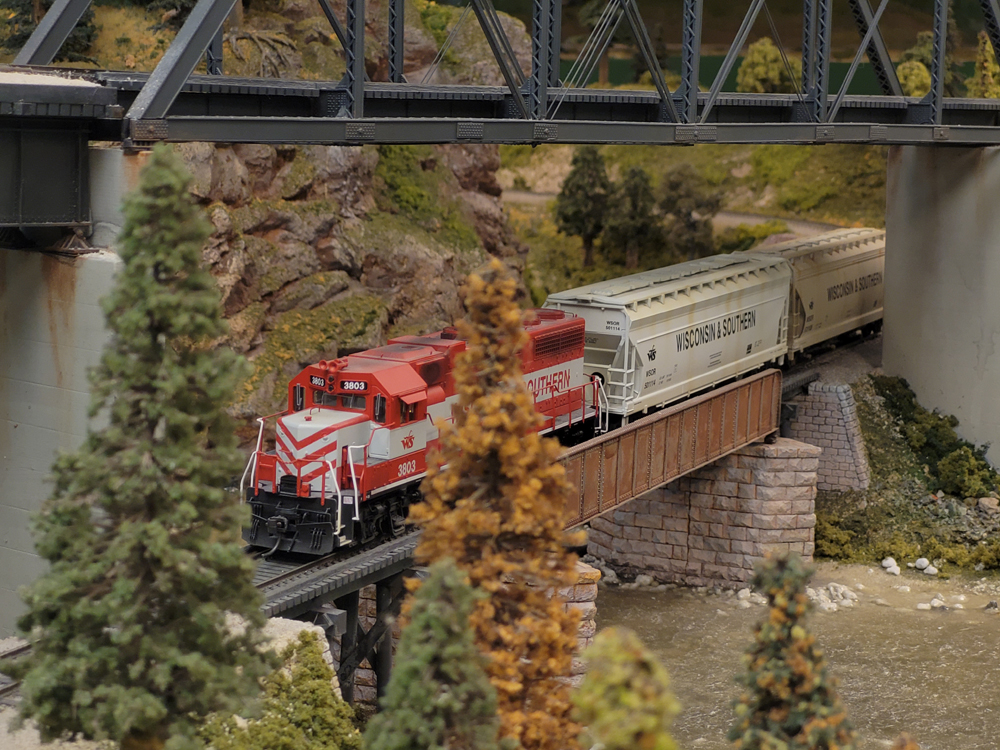
One of the most obvious trends in the recent resurgence of interest in model railroading is the increased enthusiasm for refurbishing vintage Lionel train sets. The thrill of reviving historic train models is being discovered by collectors, enthusiasts, and even younger generations. Restoration has grown to be a significant aspect of the model train society, from conserving family memories to appreciating historical workmanship. More fans are devoting time and energy to fixing, maintaining, and showcasing these famous items as interest in Lionel model trains grows.
A Link To Family Customs And Nostalgia
The sentimental significance associated with vintage train sets attracts a lot of hobby enthusiasts to Lionel train repair. Lionel trains have been connected to family get-togethers, holiday customs, and childhood memories for decades. Restoration is a significant method to preserve family history since people often inherit antique train collections from their parents or grandparents.
In addition to transferring customs to the next generations, restoring historic trains enables collectors to relive memories. Enthusiasts take pleasure in repairing worn-out freight cars or broken locomotives so they may once again be used in family exhibits and festivities rather than keeping them.
Respect For Antique Craftsmanship
Older train sets were constructed with remarkable longevity and attention to detail. The mechanical ingenuity, hand-painted patterns, and metal structure of antique Lionel items are highly appreciated by collectors. Classic train models often have robust, long-lasting workmanship, in contrast to many contemporary toys that are mass-produced using lightweight materials.
Through restoration, enthusiasts may learn about and maintain these traditional production methods. Replacing old parts, fixing motors, and cleaning corrosion may be satisfying since they contribute to the preservation of a little piece of railroad and toy manufacturing history. One of the main factors contributing to the growth of restoration culture is the respect for traditional workmanship.
The Contentment Of Practical Restoration Work
Many hobby enthusiasts enjoy working with their hands, and train restoration provides a creative and technical challenge. The process often involves disassembling locomotives, polishing surfaces, rewiring electrical components, repainting details, and testing train performance. Patience and problem-solving abilities are necessary for any endeavor.
Unlike hobbies that rely entirely on digital experiences, restoring train models offers a more physical and engaging activity. Completing a restoration project gives collectors a strong sense of accomplishment, especially when a train that once appeared damaged can operate smoothly again on the tracks.
Expanding Online Communities And Resources
The internet has played a major role in the growth of train restoration culture. Online forums, social media groups, and video tutorials have made it easier for beginners to learn restoration techniques. Hobbyists can now exchange advice, locate rare replacement parts, and showcase their completed projects with collectors from around the world.
The growing popularity of online marketplaces has also made vintage train collecting more accessible. Enthusiasts can find old locomotives, track systems, and accessories that are ideal for restoration projects. As a result, the community surrounding Lionel model trains has become larger and more connected than ever before.
Interest In Sustainable Collecting
Restoration also appeals to people who value sustainability and preservation. Instead of purchasing brand-new products, many collectors enjoy restoring and reusing older items. Repairing vintage trains reduces waste while extending the life of collectible models that still hold value and functionality.
This approach aligns with broader trends where consumers are increasingly interested in repairing, repurposing, and preserving classic items instead of replacing them. Train restoration combines sustainability with creativity, making it appealing to modern hobbyists who appreciate both environmental awareness and historical preservation.
Rising Display And Collector Value
Well-restored train sets can also become impressive display pieces and valuable collectibles. Some hobbyists restore trains for personal enjoyment, while others focus on preserving rare editions that may increase in value over time. Clean and operational vintage models often attract attention at train shows, collector exhibitions, and hobby conventions.
A restored train layout can become the centerpiece of a home display, combining artistic scenery, engineering, and nostalgia in one project. The pride that comes from showcasing a beautifully restored locomotive motivates many enthusiasts to continue improving their collections.
Conclusion
The growing popularity of train restoration reflects a deeper appreciation for history, craftsmanship, and meaningful hobbies. Enthusiasts are discovering that restoring vintage train sets offers far more than simple collecting. It provides creative satisfaction, technical learning, family connection, and historical preservation all within one rewarding activity. As interest in Lionel model trains continues to expand, restoration will likely remain an important part of the model railroading community for years to come.