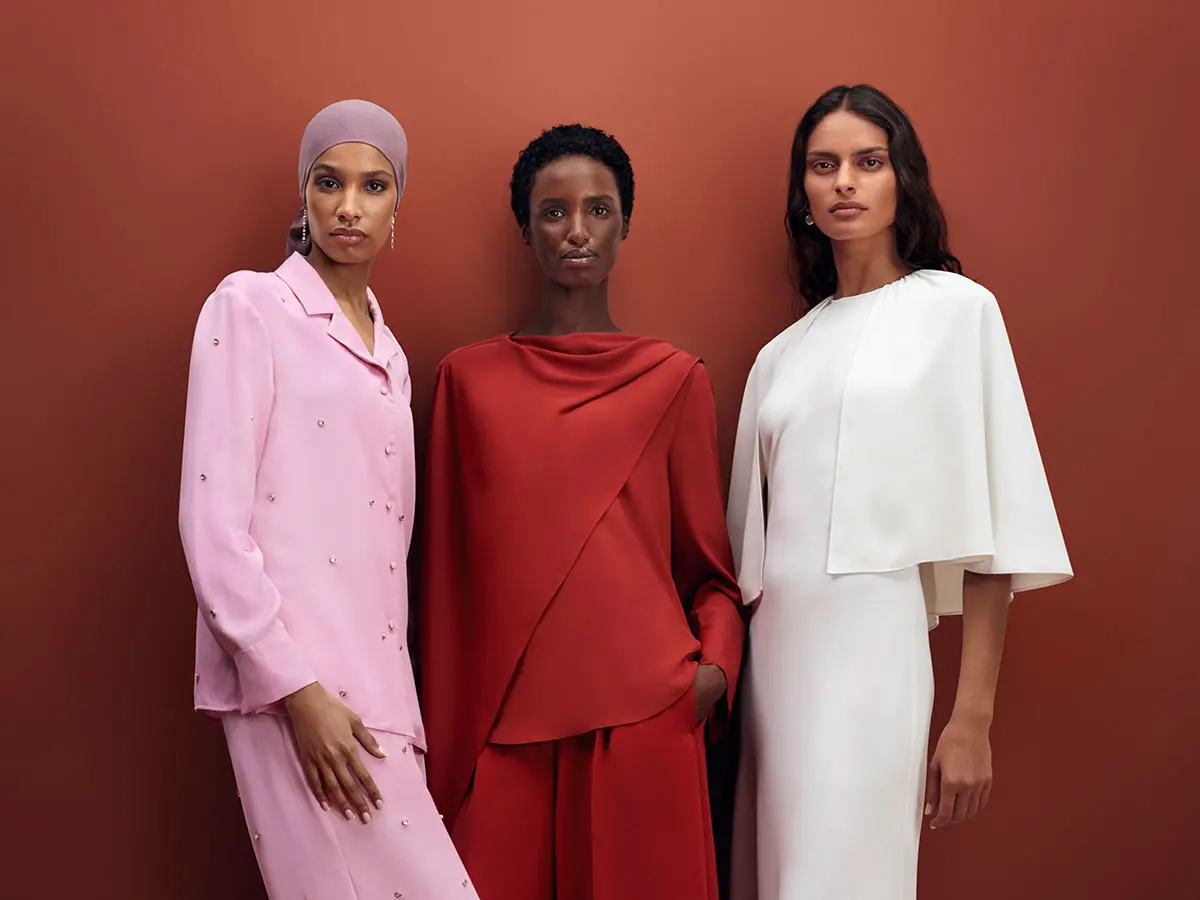
Choosing a wedding guest outfit can feel difficult because every celebration has different expectations. American weddings may take place in hotels, gardens, beaches, farms, restaurants, churches, city rooftops, or private homes. Dress codes can range from casual to black tie.
A successful guest outfit should respect the couple’s requested dress code while remaining comfortable for travel, ceremonies, meals, photographs, and dancing.
People searching for wedding fashion and guest style ideas should begin with the invitation before shopping for new clothing.
Read The Dress Code Carefully
The invitation often provides the most important guidance.
Black tie usually suggests formal evening clothing. Men commonly wear tuxedos, while women often choose long gowns or highly formal dresses.
Formal or black-tie optional events allow slightly more flexibility. Dark suits, long dresses, elegant jumpsuits, and polished evening separates may be appropriate.
Cocktail attire usually falls between formal and casual. Knee-length or midi dresses, dressy jumpsuits, suits, and refined separates are common choices.
Casual does not always mean everyday clothing. A wedding still calls for clean, thoughtful dressing unless the couple provides different instructions.
Consider The Venue
The location affects fabric, footwear, and overall formality.
A beach wedding may require lightweight fabrics and shoes that can handle sand. A hotel ballroom may support formal clothing and dress shoes.
Outdoor farm or garden venues may include grass, gravel, uneven paths, and changing temperatures.
City venues may involve walking between locations or using public transportation.
Fashion guidance from event style and lifestyle writers often emphasizes that practical venue planning can prevent discomfort without reducing elegance.
Choose Seasonal Fabrics
Summer weddings may feel more comfortable with linen blends, lightweight cotton, chiffon, breathable suit fabrics, and soft flowing materials.
Winter events may support velvet, wool blends, heavier tailoring, satin, and layered formal clothing.
Spring weather can change quickly, so a light jacket, wrap, or structured layer may be useful.
Fall weddings often include rich colors and varied temperatures. Warm neutrals, deep green, burgundy, navy, and rust are common seasonal choices.
Fabric should match both the weather and dress code. A lightweight material can still look formal when the cut and details are appropriate.
Avoid Competing With The Couple
Wedding guest clothing should celebrate the event without appearing designed to take attention away from the couple.
Guests often avoid outfits that resemble traditional bridal clothing unless the couple specifically encourages white or light colors.
Extremely dramatic designs may also feel unsuitable when the celebration is small or understated.
The goal is polished participation rather than becoming the visual center of the event.
When uncertain, choose an elegant color, appropriate length, and refined accessories.
Use Color With Confidence
Wedding guest outfits do not need to rely only on black or navy.
Jewel tones such as emerald, sapphire, burgundy, and deep purple can work well for formal settings.
Soft blue, sage, peach, lavender, and muted pink may suit daytime or warm-weather weddings.
Prints can also work when they match the event’s formality. Floral patterns are common for garden and spring celebrations.
Useful wedding clothing and styling advice can help guests consider color without relying on rigid rules.
Select Shoes For The Full Event
Wedding days may involve several hours of standing, walking, socializing, and dancing.
Shoes should support the entire schedule.
Block heels, dressy flats, polished loafers, low heels, and comfortable formal shoes may provide better stability than styles chosen only for appearance.
Outdoor venues require special attention. Thin heels may sink into grass or soft ground.
Guests can bring a second pair of approved shoes when appropriate, but the replacement should still match the event setting.
Break in new shoes before the wedding whenever possible.
Build A Polished Suit Outfit
A well-fitting suit remains a dependable option for many wedding dress codes.
Navy, charcoal, medium gray, and seasonal earth tones can work across several settings.
The shirt, tie, pocket square, shoes, and belt can adjust the level of formality.
Avoid combining too many patterns. A patterned tie may work best with a simple shirt, while a printed shirt may need quieter accessories.
Fit is more important than brand. Proper sleeve length, trouser length, and shoulder shape can make an affordable suit look more polished.
Consider Dresses And Jumpsuits
Midi dresses are popular because they work across many venues and dress codes.
Long dresses may suit formal or evening celebrations, while shorter dresses can work for cocktail or semi-formal events.
Jumpsuits offer another option. A tailored jumpsuit can feel elegant while allowing easy movement.
Check comfort while sitting because wedding events often include long meals and ceremonies.
The outfit should also allow normal movement during dancing, walking, and using stairs.
Use Accessories To Complete The Look
Accessories can adjust the formality of simple clothing.
Elegant earrings, a small structured bag, a watch, a tie, a pocket square, or refined jewelry can make an outfit feel event-ready.
Avoid carrying an oversized everyday bag unless it is necessary. A smaller bag may hold a phone, identification, makeup, keys, and essential items.
Accessories should support the outfit rather than compete with every detail.
Daily event fashion and celebration stories can provide ideas for using simple additions to refresh clothing already in the wardrobe.
Prepare For Temperature Changes
Indoor air conditioning may feel cold during summer weddings. Evening temperatures can also fall after outdoor ceremonies.
A wrap, shawl, blazer, light coat, or formal jacket can provide comfort.
Choose the layer before the event rather than adding an unrelated everyday jacket at the last minute.
Winter guests should consider coat storage and transportation. A polished outer layer may be visible during arrivals and photographs.
Weather planning is especially important for outdoor events.
Avoid Last-Minute Shopping
Waiting until the final day can create pressure and reduce choices.
Try the complete outfit at least one week before the wedding. Include shoes, undergarments, accessories, and outer layers.
Sit, walk, and move to identify discomfort.
Check for needed repairs, pressing, tailoring, or cleaning.
A familiar outfit styled differently may work better than a rushed new purchase.
Respect Cultural And Religious Expectations
Some weddings include cultural traditions, religious ceremonies, or specific clothing guidance.
Read all information provided by the couple. Ask a close family member or wedding organizer when guidance is unclear.
Certain venues may require covered shoulders, longer clothing, head coverings, or other respectful adjustments.
Guests should approach these expectations with care rather than treating them as fashion limitations.
Focus On Celebration And Comfort
A wedding guest outfit should help the wearer participate confidently.
Follow the dress code, respect the venue, prepare for weather, and choose clothing that remains comfortable for several hours.
Personal style can still appear through color, accessories, tailoring, or texture.
The best wedding outfit does not need to be the most expensive or dramatic. It should feel appropriate, polished, and easy to wear.
When clothing supports comfort and confidence, guests can focus on what matters most: celebrating the couple and enjoying the occasion.