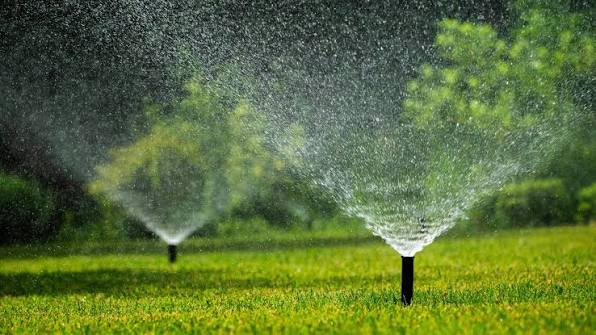
Hot, dry summers can place significant pressure on lawns, gardens, trees, and outdoor plants. An irrigation system may help homeowners apply water more consistently, but poor design can lead to waste, uneven coverage, runoff, and higher utility costs.
American properties vary in size, climate, soil type, plant selection, and local watering rules. A system should be designed around actual landscape needs rather than operating on the same schedule throughout the year.
Understanding basic irrigation methods can help homeowners make better decisions about installation, maintenance, and seasonal adjustments.
Identify Different Watering Zones
Lawns, trees, flower beds, vegetable gardens, and container plants may require different amounts of water.
Connecting every area to the same schedule can create problems. Grass may receive enough water while shrubs become too wet, or garden beds may dry before the next cycle.
Irrigation zones allow different sections to operate separately.
Homeowners should group plants with similar moisture needs whenever possible.
Sunlight also affects water use. A lawn in full afternoon sun may dry faster than a shaded area.
Thoughtful landscape planning ideas can help residents organize outdoor areas before selecting irrigation equipment.
Understand Sprinkler Systems
Sprinklers distribute water above the ground and are commonly used for lawns.
Different sprinkler heads create different patterns and coverage areas.
The system should avoid watering streets, sidewalks, driveways, fences, and buildings.
Overlapping coverage may be necessary to reduce dry sections, but excessive overlap can waste water.
Wind may change spray direction and reduce even coverage.
Homeowners should inspect the system while it operates rather than assuming every area receives the same amount.
Consider Drip Irrigation for Garden Beds
Drip systems apply water slowly near the soil surface.
They can work well around shrubs, flowers, vegetables, and selected landscape areas.
Because water is directed toward roots, less may be lost through broad surface spraying.
Lines and emitters should be placed according to plant spacing and root development.
Drip systems still require inspection. Clogged emitters, damaged tubing, or poor placement can leave plants dry.
Creative water-conscious garden inspiration can help homeowners combine efficient irrigation with mulch, native plants, and practical landscape design.
Learn How Soil Affects Water Movement
Sandy soil may allow water to move quickly below the surface.
Heavy clay soil may absorb water more slowly and produce runoff when irrigation is applied too fast.
Homeowners should observe how the soil responds during watering.
Shorter cycles with rest periods may help certain soils absorb moisture more effectively.
Water should reach the root area instead of only wetting the upper surface.
Soil improvement and mulch may support moisture management in garden beds.
Water During Cooler Hours
Early morning is often a practical irrigation period.
Lower temperatures may reduce evaporation, and plants have time to dry as the day warms.
Watering during hot afternoon conditions may increase water loss.
Evening watering can leave some plant surfaces wet for longer periods, especially in humid climates.
Local conditions should guide timing.
Homeowners should also follow city or regional watering schedules where restrictions apply.
Use a Controller Carefully
Automatic controllers can simplify irrigation, but they should not operate without seasonal adjustments.
A schedule created during spring may apply too little water during extreme summer heat or too much during cooler weather.
Rain sensors and weather-based controls may reduce unnecessary operation.
Homeowners should review settings after storms, temperature changes, or seasonal transitions.
The controller should match the needs of each zone rather than using one identical duration.
Keeping irrigation maintenance notes can help households track schedule changes, repairs, water use, and problem areas.
Check for Leaks and Broken Heads
Small irrigation problems can waste significant amounts of water over time.
Homeowners should look for damaged sprinkler heads, pooling water, unusually wet sections, reduced pressure, or dry areas.
Grass may grow taller or appear greener near hidden leaks.
Sprinkler heads can become blocked by soil, grass, or debris.
Repairs should be completed before increasing watering duration. A dry area may result from poor coverage rather than insufficient system time.
Prevent Water From Reaching Hard Surfaces
Water running across sidewalks and driveways provides little benefit to plants.
Misaligned sprinkler heads should be adjusted.
Runoff may also indicate that water is being applied faster than the soil can absorb it.
Shorter watering cycles may reduce surface flow.
Sloped areas often require special attention because water moves downhill quickly.
Homeowners should observe the entire zone during operation.
Adjust Watering After Rain
Automatic systems should not continue operating normally after substantial rainfall.
Rain sensors may help, but homeowners should still inspect soil moisture.
Weather conditions can vary within the same region.
A storm may provide heavy rain to one neighborhood and little moisture to another.
Plant needs also change after several cloudy or cool days.
Avoiding unnecessary watering supports conservation and may reduce plant stress from saturated soil.
Apply Mulch Around Suitable Plants
Mulch can help garden soil retain moisture and reduce weed growth.
It should be spread at a moderate depth and kept away from plant stems and tree trunks.
Mulch does not eliminate the need for irrigation, but it may reduce rapid moisture loss.
Different materials break down at different rates.
Homeowners should inspect the soil beneath mulch instead of judging moisture from the surface alone.
Prepare the System for Seasonal Changes
In colder regions, irrigation systems may require winter preparation to prevent freeze damage.
Homeowners should follow equipment guidance and local recommendations.
Spring startup should include inspection of valves, lines, sprinkler heads, and controller settings.
Dry summer conditions may require schedule adjustments, but increased watering should remain based on actual plant and soil needs.
Calm outdoor property guidance can help homeowners create efficient routines without overcomplicating daily maintenance.
An irrigation system works best when it delivers the right amount of water to the correct area. By creating separate zones, selecting suitable irrigation methods, checking soil response, repairing leaks, and adjusting schedules with the weather, American homeowners can support healthier landscapes during dry summers while reducing unnecessary water use.