Personal hygiene is not about hiding every natural body smell or using strongly scented products from head to toe. It is about cleaning the body appropriately, caring for the mouth and nails, wearing clean clothing, and reducing the spread of germs.
Healthy grooming habits for better personal hygiene should be practical and suited to your body, work, climate, activity level, culture, and health needs. Overwashing can cause irritation, while neglect can create discomfort and infection risk.
Bathe According to Activity and Climate
People who work in heat, exercise heavily, or sweat often may need to bathe more frequently than those with low activity levels.
Use warm rather than extremely hot water. Hot showers can worsen dryness and itching.
Focus cleanser on the underarms, groin, feet, skin folds, and visibly dirty areas. Strongly soaping every inch of dry skin may not be necessary.
A source of personal-hygiene guidance can help you find a balance between cleanliness and skin-barrier protection.
Dry skin folds carefully after bathing to reduce prolonged dampness.
Wash Hands Properly
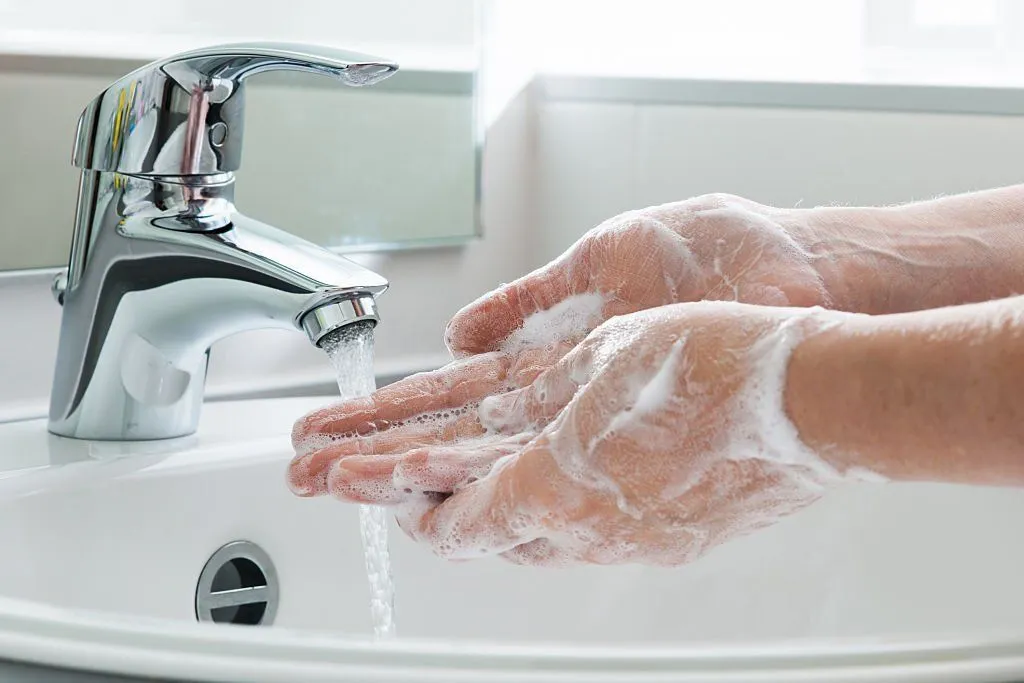
Handwashing is one of the most useful hygiene habits. Wash before eating or preparing food, after using the toilet, after coughing or sneezing, and after touching dirty surfaces.
Use soap and water and clean between fingers, around nails, and across the backs of hands.
Dry hands thoroughly and apply fragrance-free moisturizer when frequent washing causes dryness.
Hand sanitizer is useful when soap and water are unavailable, but visibly dirty hands should be washed properly when possible.
Care for Teeth and Gums
Brush teeth regularly with fluoride toothpaste and a suitable toothbrush.
Clean gently along the gumline and replace a worn brush. Floss or use another interdental cleaning method according to dental advice.
Clean the tongue if coating or odor is a concern, but avoid scraping so hard that the surface becomes painful.
A set of grooming routine steps can help make oral care part of morning and evening habits.
Persistent bleeding gums, tooth pain, mouth sores, or bad breath deserves dental evaluation.
Manage Body Odor Without Over-Fragrancing
Sweat itself may have little smell until microorganisms break it down on the skin.
Wash sweaty areas, wear clean clothing, and allow shoes to dry between uses. Antiperspirant reduces sweating, while deodorant mainly addresses odor.
Strong fragrance does not replace bathing. Applying perfume over unwashed skin may create a heavier mixed odor.
People with sensitive skin may prefer fragrance-free deodorant or products without alcohol.
Keep Nails Clean and Trimmed
Trim fingernails and toenails regularly. Smooth rough edges to prevent scratching and snagging.
Clean beneath the nails without using sharp objects that injure the skin.
Do not share clippers, files, or manicure tools unless they have been properly cleaned and disinfected.
Use trustworthy everyday care to guide nail hygiene rather than cutting cuticles aggressively.
Persistent discoloration, thickening, pain, swelling, or nail separation may need medical care.
Wash Hair and Scalp Appropriately
Hair does not need to follow a universal washing schedule.
Oily scalps, physical work, and heavy sweating may require frequent shampooing. Dry or tightly coiled hair may need less frequent washing and more conditioning.
Concentrate shampoo on the scalp and rinse thoroughly. Clean combs, brushes, bonnet liners, and pillowcases regularly.
Seek professional guidance for scalp pain, pus, severe scaling, sores, or sudden hair loss.
Use Clean Towels and Bedding
Towels collect moisture, skin cells, product residue, and microorganisms. Hang them where they can dry fully between uses.
Wash bath towels, hand towels, pillowcases, and sheets regularly according to use, sweating, illness, and household conditions.
Do not share face towels, razors, or personal grooming tools.
People with acne or oily hair may benefit from changing pillowcases more frequently.
Practice Safe Shaving
Use a clean, sharp razor and shaving product that reduces friction.
Shave in the direction of hair growth when ingrown hairs are a problem. Avoid repeatedly passing over the same area.
Rinse the razor and allow it to dry. Do not share razors because small cuts can transfer blood and microorganisms.
Stop shaving over inflamed bumps or infection until the area has been evaluated or healed.
Clean Skin Folds and Feet
Skin folds can trap sweat and moisture. Wash gently and dry thoroughly.
Wear breathable clothing and change damp garments after exercise or work.
Wash feet, dry between the toes, and rotate shoes. Clean socks should be worn daily or changed more often after heavy sweating.
Persistent itching, cracking, odor, scaling, or discolored toenails may indicate a fungal problem that needs treatment.
Wash Makeup and Grooming Tools
Makeup brushes, sponges, tweezers, trimmers, and combs collect product, oil, and debris.
Clean tools according to their material and use. Allow them to dry fully before storage.
Do not share eye makeup or lip products. Replace mascara and other cosmetics according to safe-use guidance and discard anything that changes smell or texture.
Wash hands before applying contact lenses, skincare, or makeup.
Wear Clean Clothing
Underwear, socks, exercise clothes, and garments touching sweaty areas should be changed regularly.
Allow coats, uniforms, protective equipment, and shoes to air out. Wash removable liners and straps when possible.
Do not leave damp clothing in a closed gym bag.
Laundry fragrance may irritate sensitive skin. A fragrance-free detergent and an extra rinse can help some people.
Support Mental Wellbeing Without Shame
Illness, depression, disability, exhaustion, and overwhelming schedules can make hygiene difficult.
Break tasks into smaller actions. Washing the face, changing clothes, brushing teeth, or taking a short shower still counts as progress.
Using mindful self-care habits can help turn hygiene into supportive care rather than punishment or shame.
Professional support may be useful when basic self-care has become consistently unmanageable.
Avoid Excessive Cleaning
Overwashing can damage the skin barrier, worsen eczema, and create painful cracking.
Douching and harsh internal cleansing products can disturb normal body processes and are generally unnecessary unless specifically directed by a clinician.
Strong antiseptic soap is not required for routine whole-body bathing.
Clean enough to remove sweat, dirt, and odor without treating the body as contaminated.
Conclusion
Personal hygiene works best when it is consistent, gentle, and realistic. Clean skin, healthy teeth, trimmed nails, fresh clothing, and properly maintained grooming tools form a strong foundation.
Healthy grooming habits for better personal hygiene do not require excessive fragrance or aggressive washing. They require attention to the areas where sweat, moisture, and debris collect.
Adjust your routine to your daily life and health needs. When pain, infection, unusual odor, or persistent changes appear, seek professional care rather than attempting to cover the problem.