
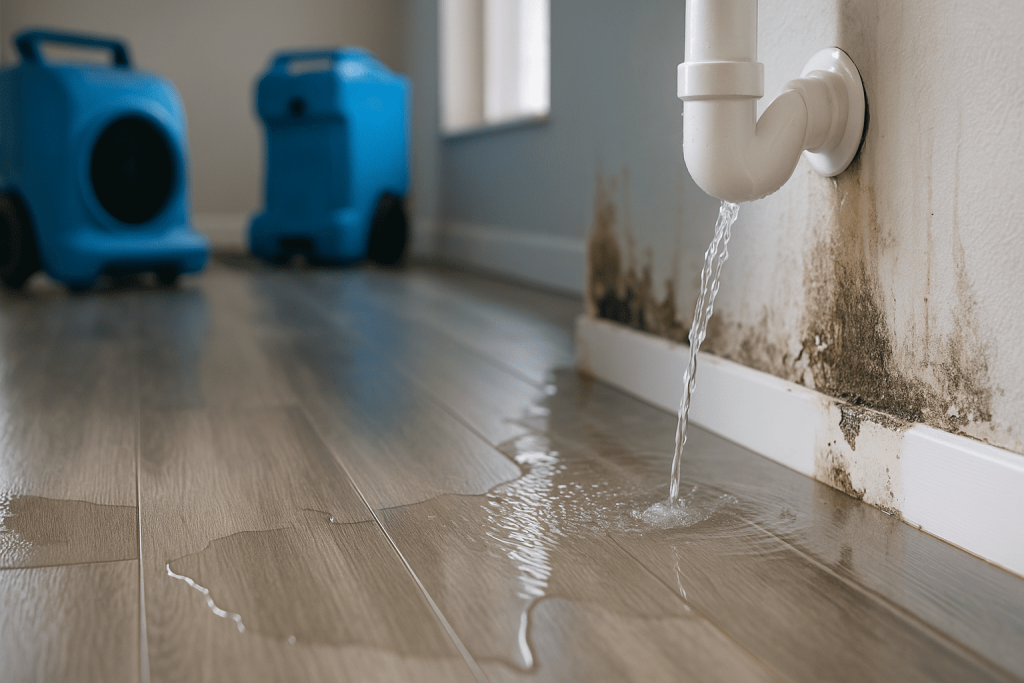
A burst pipe can turn an ordinary day into a stressful situation within minutes. Whether caused by freezing temperatures, aging plumbing, excessive water pressure, or accidental damage, a broken pipe can release gallons of water into a home or commercial building. Floors, walls, ceilings, furniture, and personal belongings can all be affected before the water supply is shut off.
While stopping the leak is the first priority, the work does not end there. Hidden moisture can remain behind walls and beneath flooring, creating conditions for long-term structural damage and mold growth. This is where a professional water restoration company becomes an essential part of the recovery process.
The First Priority Is Controlling The Damage
Once a burst pipe is discovered, the immediate goal is to stop the water flow. Shutting off the main water supply helps prevent additional flooding while a licensed plumber addresses the broken pipe. However, even after repairs are completed, standing water and trapped moisture remain a significant concern.
Professional restoration teams respond quickly because every hour matters. The sooner water is removed, the better the chances of preserving flooring, drywall, insulation, and other building materials.
A Complete Inspection Reveals Hidden Moisture
Water often travels far beyond the visible puddles on the floor. It can seep into wall cavities, under hardwood flooring, inside cabinets, and beneath carpets. Without specialized equipment, much of this moisture remains undetected.
A water restoration company begins with a detailed inspection using advanced moisture meters, thermal imaging cameras, and humidity monitoring equipment. This assessment helps identify all affected areas, including those that are not immediately visible.
Finding hidden moisture early allows technicians to create an effective restoration plan while preventing further damage.
Rapid Water Extraction Protects The Property
After the inspection, the next step is removing standing water. Restoration professionals use powerful pumps and industrial extraction equipment designed to remove water much faster than conventional methods.
Quick water extraction reduces the amount of moisture absorbed into building materials and minimizes the risk of permanent damage. Fast action can also help preserve valuable belongings such as furniture, rugs, and personal items that might otherwise become unsalvageable. The speed of this stage often determines how extensive the remaining restoration work will be.
Structural Drying Goes Beyond Surface Cleanup
Removing visible water is only part of the restoration process. Damp materials continue holding moisture long after the surface appears dry.
Professional technicians install commercial-grade air movers, dehumidifiers, and specialized drying systems to eliminate trapped moisture throughout the structure. Airflow and humidity levels are carefully monitored throughout the drying process to ensure every affected area reaches appropriate moisture levels.
This scientific approach helps restore the property safely while reducing the likelihood of future complications.
Cleaning And Sanitizing Restore A Healthy Environment
Water from a burst pipe may appear clean initially, but prolonged exposure can allow bacteria, dust, and contaminants to spread throughout the affected areas. Damp materials may also develop unpleasant odors if left untreated.
Restoration specialists clean, disinfect, and deodorize damaged surfaces using professional products designed for water damage recovery. Depending on the extent of the incident, carpets, upholstery, and other salvageable materials may also receive specialized cleaning treatments.
These steps help restore indoor air quality while making the property comfortable for occupants again.
Preventing Mold Before It Becomes A Problem
One of the greatest concerns after water damage is mold development. Under favorable conditions, mold can begin growing within a relatively short period if moisture remains trapped inside walls, ceilings, or flooring.
Professional restoration companies focus heavily on moisture control because prevention is far easier than mold remediation. Thorough drying, continuous monitoring, and proper sanitation significantly reduce the chance of mold becoming an additional problem. This proactive approach protects both the building and the people living or working inside it.
Supporting Insurance Documentation
Water damage claims often require detailed documentation to demonstrate the extent of the loss. Restoration professionals frequently assist by recording moisture readings, photographing affected areas, and documenting the restoration process.
Accurate records help property owners communicate more effectively with insurance providers while providing evidence of the work performed throughout the recovery process.
Although every insurance policy differs, organized documentation can simplify many aspects of the claims process.
Restoring Confidence After An Unexpected Emergency
A burst pipe affects more than just a building. It disrupts routines, creates uncertainty, and leaves property owners wondering how much damage has occurred behind the scenes. Professional restoration provides more than cleanup alone. It delivers a structured recovery process designed to restore both the property and peace of mind.
Experienced technicians understand how water behaves inside different building materials and use proven restoration methods to minimize long-term damage. Their expertise allows homeowners and business owners to focus on returning to normal rather than managing every aspect of the recovery themselves.
Conclusion
A burst pipe may occur without warning, but the response afterward plays a major role in limiting damage and protecting the property. Acting quickly, removing water efficiently, thoroughly drying affected areas, and preventing mold all require specialized knowledge and equipment.
Partnering with an experienced water restoration company ensures that every stage of the restoration process is handled professionally. From the initial inspection through complete structural drying and sanitation, their work helps restore the safety, value, and comfort of the property while reducing the risk of future problems.
