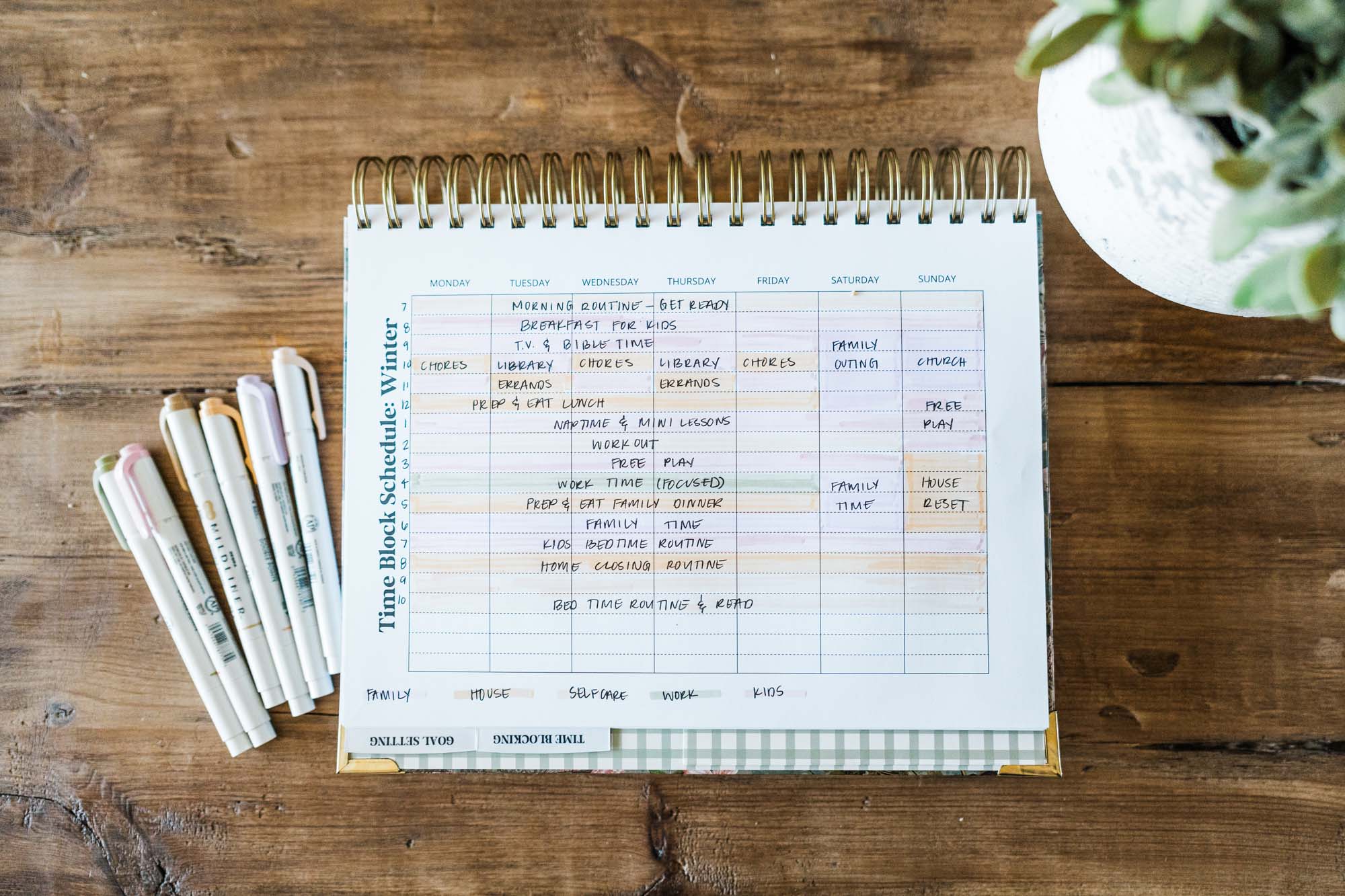
Busy American homes often manage work, school, childcare, appointments, activities, meals, shopping, transportation, household tasks, and family events at the same time.
Without a shared system, important responsibilities may depend on one person remembering everything. This can create stress, missed appointments, rushed mornings, and repeated confusion.
Family schedule planning does not require complicated technology. A useful plan should make responsibilities visible, reduce daily decisions, and help every household member understand what is happening.
Choose One Main Family Calendar
Families may use a wall calendar, digital calendar, planner, whiteboard, or combination of tools.
The main schedule should remain easy for everyone to check.
Important items may include:
Work hours.
School events.
Appointments.
Activities.
Travel.
Family celebrations.
Payment dates.
Home responsibilities.
Parents can choose one place as the official schedule.
Separate calendars may still be useful, but important information should appear in the shared system.
Families looking for busy household planning ideas may find additional ways to organize routines around changing family needs.
Hold a Weekly Planning Meeting
A short family meeting can prepare everyone for the week.
The meeting may happen on Sunday evening or another convenient day.
Families can review:
Upcoming appointments.
Transportation.
Meals.
School deadlines.
Work commitments.
Activities.
Household tasks.
The meeting does not need to last long.
Fifteen minutes may be enough.
Parents can ask whether anyone needs supplies, transportation, or additional support.
Add Travel Time to the Schedule
A common scheduling mistake is recording only the event time.
Families should include preparation and transportation.
A thirty-minute activity may require additional time for clothing, equipment, driving, parking, and returning home.
Including complete time prevents unrealistic planning.
Parents can also add small buffers between responsibilities.
A schedule with no open time becomes difficult when traffic, delays, or unexpected problems occur.
Create Morning and Evening Checklists
Repeated routines do not always need individual calendar entries.
A checklist may work better.
Morning tasks might include:
Get dressed.
Eat breakfast.
Prepare lunches.
Check backpacks.
Gather work items.
Leave home.
Evening tasks may include:
Complete homework.
Prepare clothing.
Pack bags.
Clean lunch containers.
Review the next day.
Families exploring household organization directories may discover more ideas for building repeatable home systems.
Checklists support independence and reduce repeated reminders.
Plan Transportation in Advance
Transportation can become one of the most difficult parts of a busy family schedule.
Parents should decide who handles each drop-off and pickup.
Families may also use carpools, school transportation, relatives, or other trusted arrangements.
The schedule should include clear responsibility.
Instead of writing only “soccer,” write “Parent pickup at 5:30.”
Specific information prevents assumptions.
Older children should know their transportation plan before leaving home.
Create a Basic Meal Schedule
Meal planning supports the family calendar.
Parents can choose simple meals based on the week’s busiest days.
For example:
Quick meal on activity night.
Slow-cooker meal during a long workday.
Leftovers after a late appointment.
Family dinner during a quieter evening.
The plan does not need detailed recipes.
A simple meal name may be enough.
Families can also choose one backup meal for unexpected changes.
Practical family routine and household notes may offer additional inspiration for connecting meal planning with busy schedules.
Schedule Household Responsibilities
Cleaning and household tasks are easier to manage when responsibilities are visible.
Families can assign tasks by day or person.
Examples include:
Laundry on Tuesday.
Trash preparation on Wednesday.
Grocery planning on Thursday.
Room cleanup on Saturday.
Children can handle age-appropriate responsibilities.
The schedule should remain realistic.
Trying to complete every household task every day may create frustration.
Avoid Scheduling Every Open Hour
A full calendar can appear organized but leave the family exhausted.
Children and adults need time to rest.
Unscheduled time allows families to recover, complete unexpected tasks, and enjoy activities without pressure.
Parents should examine the calendar before adding new commitments.
Questions may include:
How many evenings are already busy?
Will homework remain manageable?
Is enough sleep protected?
When will the family spend time together?
Saying no can be part of responsible planning.
Use Color or Categories
Visual categories can make a schedule easier to understand.
Families may use separate colors for:
Work.
School.
Activities.
Appointments.
Household tasks.
Family events.
The system should remain simple.
Too many categories may create confusion.
Digital calendars may allow each family member to have a separate color.
A wall calendar can use small symbols or initials.
Prepare for Schedule Changes
Plans will change.
Children may become sick.
Work meetings may be added.
Activities may be canceled.
Traffic may cause delays.
Families should decide how changes will be communicated.
A group message may work for households with older children.
Younger children may need a clear verbal explanation.
Parents can update the main calendar after important changes.
Local family and community schedule updates may also provide useful information related to neighborhood events and local routines.
Create a Backup Plan
Busy families benefit from backup arrangements.
The plan may include:
Alternative transportation.
Emergency childcare.
Quick meals.
Trusted contacts.
Flexible work options.
A list of important numbers.
Parents should identify the most likely schedule problems.
Planning for common interruptions can reduce stress.
The backup plan does not need to solve every possible situation.
It should cover several realistic needs.
Protect Family Time
Family time should appear on the calendar when busy schedules regularly take over.
The activity may be simple.
Families can schedule:
Dinner.
A walk.
Movie night.
Board games.
Weekend breakfast.
A park visit.
A quiet evening at home.
Scheduling connection does not make it less meaningful.
It protects time that may otherwise disappear.
Review the Next Day Each Evening
A five-minute evening review can prevent morning surprises.
Family members can check:
Wake-up times.
Weather.
Clothing.
Transportation.
Meals.
School supplies.
Appointments.
Children may prepare backpacks and activity equipment.
Adults can organize work materials and necessary documents.
Small preparation reduces early-morning decisions.
Adjust the System When It Stops Working
A family calendar should support the household.
It should not become another difficult responsibility.
Parents can review the system every few months.
Ask:
Is everyone checking the schedule?
Are important events still missed?
Is the calendar easy to update?
Are responsibilities clear?
Would a simpler method work better?
Families may change from paper to digital tools or use both.
The best system is the one household members actually use.
Family schedule planning creates structure, but it should also allow flexibility. Busy homes need visible responsibilities, realistic travel time, shared communication, and space for rest.
American families do not need to control every minute. A useful schedule reduces confusion and protects important priorities. When everyone understands the weekly plan, the household can spend less time reacting to problems and more time supporting one another.