Earthquakes can occur without the long warning periods associated with hurricanes or winter storms. Shaking may damage buildings, break utility lines, interrupt roads, cause fires, move heavy furniture, and disrupt communication.
West Coast families should prepare before an earthquake because there may be little time to gather supplies once shaking begins. Reviewing practical earthquake safety information can help households identify home hazards and create realistic emergency plans.
Secure Heavy Furniture and Household Items
Tall bookcases, cabinets, televisions, mirrors, shelves, and large appliances may move or fall during strong shaking.
Secure heavy furniture using appropriate hardware and installation methods.
Place heavier items on lower shelves.
Avoid storing large objects above beds, couches, desks, or children’s play areas.
Use protective methods for breakable items when appropriate.
Professional installation may be necessary for heavy appliances, complex mounting, or structural concerns.
Families can learn from useful earthquake preparedness experiences when identifying hazards that are easy to overlook in ordinary rooms.
Know What to Do During Shaking
People indoors should follow recognized earthquake safety guidance.
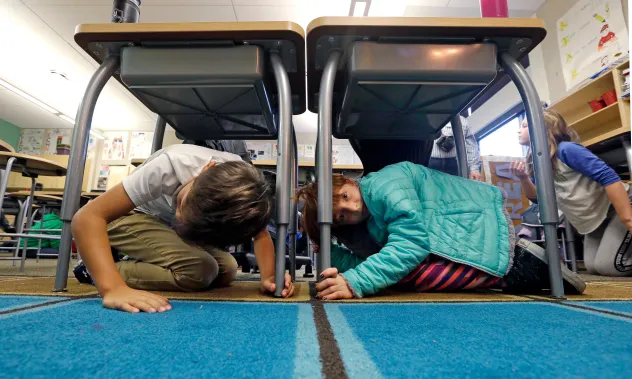
Drop to the ground when shaking makes movement difficult.
Take cover beneath sturdy furniture when available.
Protect the head and neck.
Hold on until shaking stops.
Stay away from windows, glass, tall furniture, and objects that may fall.
Do not run outside during strong shaking because exterior walls, signs, glass, and building materials may create hazards.
Elevators should not be used.
Prepare for Aftershocks
Aftershocks may occur after the main earthquake and may cause additional damage.
Move carefully after shaking stops.
Be prepared to protect yourself again.
Avoid entering damaged structures.
Watch for falling materials, broken glass, unstable furniture, and damaged ceilings.
Keep children and pets close.
Follow official instructions regarding evacuation and building safety.
Reviewing dependable post-earthquake guidance may help families understand how to respond during the first hours after an event.
Build an Earthquake Emergency Kit
Store drinking water, shelf-stable food, flashlights, batteries, a radio, first aid supplies, medications, phone chargers, hygiene products, and important records.
Keep sturdy shoes near beds because broken glass may cover floors.
Include work gloves and protective clothing.
Store supplies in more than one location when practical.
A garage, exterior storage area, or vehicle kit may provide backup if the main part of the home becomes inaccessible.
Check supplies regularly.
Replace expired food, damaged batteries, and outdated documents.
Prepare Family Communication Plans
Family members may be at school, work, home, or traveling when an earthquake occurs.
Choose an out-of-area contact.
Text messages may work when phone calls cannot connect.
Write important contact information on paper.
Select meeting locations near the home and outside the neighborhood.
Parents should understand school emergency procedures.
Families may not be able to reunite immediately, so everyone should know the plan.
Learn Utility Safety
Earthquakes may damage gas, water, and electrical systems.
Adults should know where utility controls are located.
Do not shut off utilities without understanding when action is appropriate.
Qualified professionals may need to inspect damaged systems.
Never use matches, lighters, or open flames when a gas leak is suspected.
Leave the area and follow emergency guidance.
Report fallen power lines and stay away.
Broader property emergency planning can help homeowners prepare for utility interruptions and temporary displacement.
Inspect the Home for Structural Concerns
Visible cracks, damaged foundations, weak walls, aging chimneys, and unreinforced structures may require professional evaluation.
Homeowners should follow local building requirements.
Retrofit needs depend on building type, age, construction, foundation, and local conditions.
Do not rely on appearance alone to determine earthquake safety.
Licensed professionals can provide property-specific advice.
Renters should report visible structural concerns to property managers.
Protect Water and Food Supplies
Earthquakes may interrupt water service or affect water quality.
Store appropriate emergency water supplies.
Follow local instructions before using tap water after a major event.
Keep food in secure containers.
Have shelf-stable meals that require little preparation.
Avoid depending only on electric appliances.
Check refrigerators and freezers carefully after long outages.
Discard food when safety is uncertain.
Prepare for Fire Risk
Damaged electrical systems, appliances, fuel lines, and cooking equipment may create fire hazards.
Keep appropriate fire extinguishers available.
Household members should understand how to use them safely.
Do not attempt to fight a large or spreading fire.
Leave immediately and contact emergency services.
Keep exits clear.
Avoid blocking doors and hallways with emergency storage.
Include Children in Preparation
Teach children simple earthquake actions.
Practice dropping, covering, and holding on without creating fear.
Show them safe places in common rooms.
Explain that adults may need to focus on safety during shaking.
Keep comfort items in emergency supplies.
Update school contact information.
Make sure children understand family meeting locations.
Plan for Older Adults and Medical Needs
Keep medications, glasses, hearing equipment, mobility supplies, medical records, and emergency contacts accessible.
Secure medical equipment properly.
Maintain backup power plans for essential devices.
Discuss emergency arrangements with healthcare providers and caregivers.
Choose evacuation routes suitable for mobility needs.
Avoid placing emergency supplies where they are difficult to reach.
Prepare Pets
Keep carriers, leashes, food, water, medications, and identification ready.
Animals may hide after shaking.
Practice safe handling.
Do not enter unsafe areas to search for pets.
Keep vaccination and veterinary records protected.
Know which emergency shelters or temporary locations may accept animals.
Keep Vehicles Prepared
Roads, bridges, tunnels, and public transportation may be affected.
Maintain fuel at a practical level.
Keep water, food, flashlights, chargers, first aid supplies, and sturdy clothing in the vehicle.
Avoid driving unless necessary.
Leave roads open for emergency services when advised.
Follow closures and official travel information.
Respond Carefully After the Earthquake
Check for injuries.
Provide first aid within personal training.
Call emergency services for serious conditions.
Use text communication when possible to reduce network demand.
Inspect surroundings carefully.
Avoid damaged buildings, unstable walls, broken glass, fallen lines, and leaking utilities.
Listen for official updates.
Do not spread unconfirmed information.
Review Readiness Every Year
Earthquake preparation should change as families move, renovate, add furniture, adopt pets, or develop new medical needs.
Inspect secured furniture.
Update supplies.
Recharge backup power devices.
Practice family communication.
Review utility information.
Earthquakes cannot be prevented, but many household risks can be reduced. West Coast families that secure heavy items, prepare supplies, practice protective actions, and maintain communication plans are better positioned to respond safely when sudden shaking interrupts normal life.