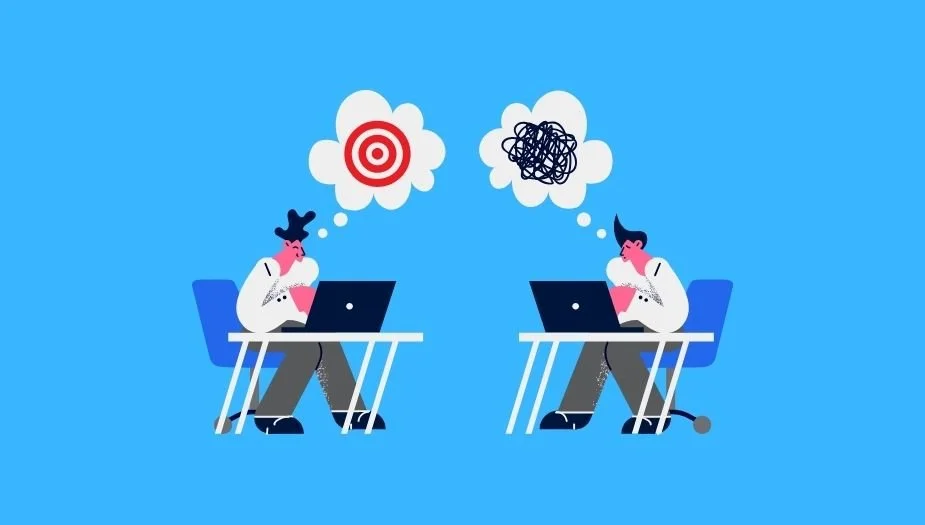
Life rarely changes because of one dramatic decision. More often, the direction of our lives is influenced by ordinary choices that seem almost insignificant when we make them. Deciding to save a little money, organize an important document, learn something new, maintain the house regularly, or spend thirty minutes exercising may not produce an immediate transformation. Over months and years, however, these decisions can lead to remarkably different outcomes. Understanding the long term influence of small choices can help people become more intentional without making everyday life unnecessarily complicated.
Small Financial Choices Can Build Long Term Stability
Financial security is often associated with major investments or high incomes, but everyday money habits can be equally important. Saving a small percentage of monthly income may initially appear insignificant. When continued consistently, those savings can gradually create an emergency fund or provide money for future goals.
The same principle applies to staying informed about financial assistance and public programs. Someone searching kanya sumangala yojana kya hai, for example, may simply be trying to understand whether a particular initiative is relevant to their family. Taking a few minutes to research eligibility, documentation, and official procedures can potentially prevent missed opportunities.
Small decisions involving spending are important as well. Frequently purchasing things simply because they are inexpensive can eventually consume a surprisingly large portion of a household budget. Choosing to pause before unnecessary purchases can produce a completely different financial picture over several years.
Information Choices Shape Everyday Decisions
People encounter an enormous amount of information every day. The decision to verify something before acting on it has become increasingly valuable.
A webpage might encourage someone to click here for additional information, but thoughtful users often consider where the link leads before providing personal information or making a payment. This simple habit may take only seconds, yet consistently checking sources can reduce exposure to misleading information.
The same principle applies when researching government initiatives. Someone looking for the Pm Surya Ghar Muft Official Website may be interested in learning about a solar related government program. Identifying the appropriate official source rather than relying automatically on advertisements, forwarded messages, or unofficial pages can lead to better informed decisions.
Digital awareness is therefore not merely a technical skill. It has become part of responsible everyday decision making.
Routine Maintenance Prevents Larger Problems
Some of the clearest examples of small decisions creating large outcomes can be found at home. A minor water leak might seem harmless enough to ignore for several weeks. Eventually, however, moisture can damage walls, flooring, cabinets, or surrounding materials.
Routine maintenance works because it addresses problems while they are still manageable. Cleaning gutters, inspecting appliances, checking plumbing fixtures, and paying attention to unusual sounds or smells require relatively little effort compared with major repairs.
The same thinking applies beyond the home. Vehicles, computers, household appliances, and even personal records generally become easier to manage when people address minor issues early instead of waiting for them to become emergencies.
Administrative Habits Can Save Considerable Time
Paperwork is easy to postpone because its benefits are rarely immediate. Keeping identification records, certificates, receipts, employment documents, and application details organized can nevertheless make future processes significantly easier.
Workers researching resources such as Mahabocw may need access to particular information or documentation connected with relevant services and schemes. A person who has already organized important records may find it much easier to understand requirements and complete necessary processes.
Creating a simple system for documents is a small decision. Its value becomes apparent when something must be submitted quickly.
Learning Creates Compounding Advantages
A few minutes spent learning each day can seem insignificant, especially when there is no immediate reward. Yet knowledge accumulates.
Reading about financial planning, communication, technology, business, or professional skills for twenty minutes each day can add up to more than one hundred hours of learning over a year. That accumulated knowledge may eventually influence career opportunities, business decisions, or personal confidence.
Entrepreneurs frequently experience this effect. Someone exploring information through platforms such as udyamiyojana.org may begin with a single question about business opportunities or available initiatives. That initial curiosity can encourage further research into planning, financing, compliance, marketing, or business development.
Learning rarely changes someone’s situation overnight. Instead, it gradually increases the number of informed choices available to them.
Relationships Are Also Built Through Small Decisions
Not every meaningful outcome is financial or professional. Relationships are heavily influenced by ordinary behavior.
Remembering an important date, listening without checking a phone, helping with a routine task, or sending a thoughtful message may appear minor. Repeated consistently, these actions communicate attention and reliability.
The opposite is also true. Frequently postponing conversations, ignoring small concerns, or failing to follow through on promises can gradually weaken trust. Individual moments may appear insignificant, but patterns eventually become visible.
Consistency Often Matters More Than Intensity
People naturally notice dramatic transformations, but sustainable progress is often quieter. Exercising occasionally for several hours may have less long term value than maintaining a manageable routine. Saving a large amount once may be less effective than developing a consistent saving habit. Cleaning an entire house once does not eliminate the need for regular maintenance. Small decisions become powerful because they are repeatable.
Conclusion
Ordinary decisions rarely announce their importance when they happen. Choosing to verify information, organize documents, maintain something before it breaks, save a modest amount, learn regularly, or give someone your attention may feel insignificant at the time.
Years later, the difference can be substantial. A better future is not always created through one extraordinary decision. In many cases, it develops through hundreds of ordinary choices repeated often enough to become habits, and those habits gradually determine outcomes that once seemed surprisingly far away.