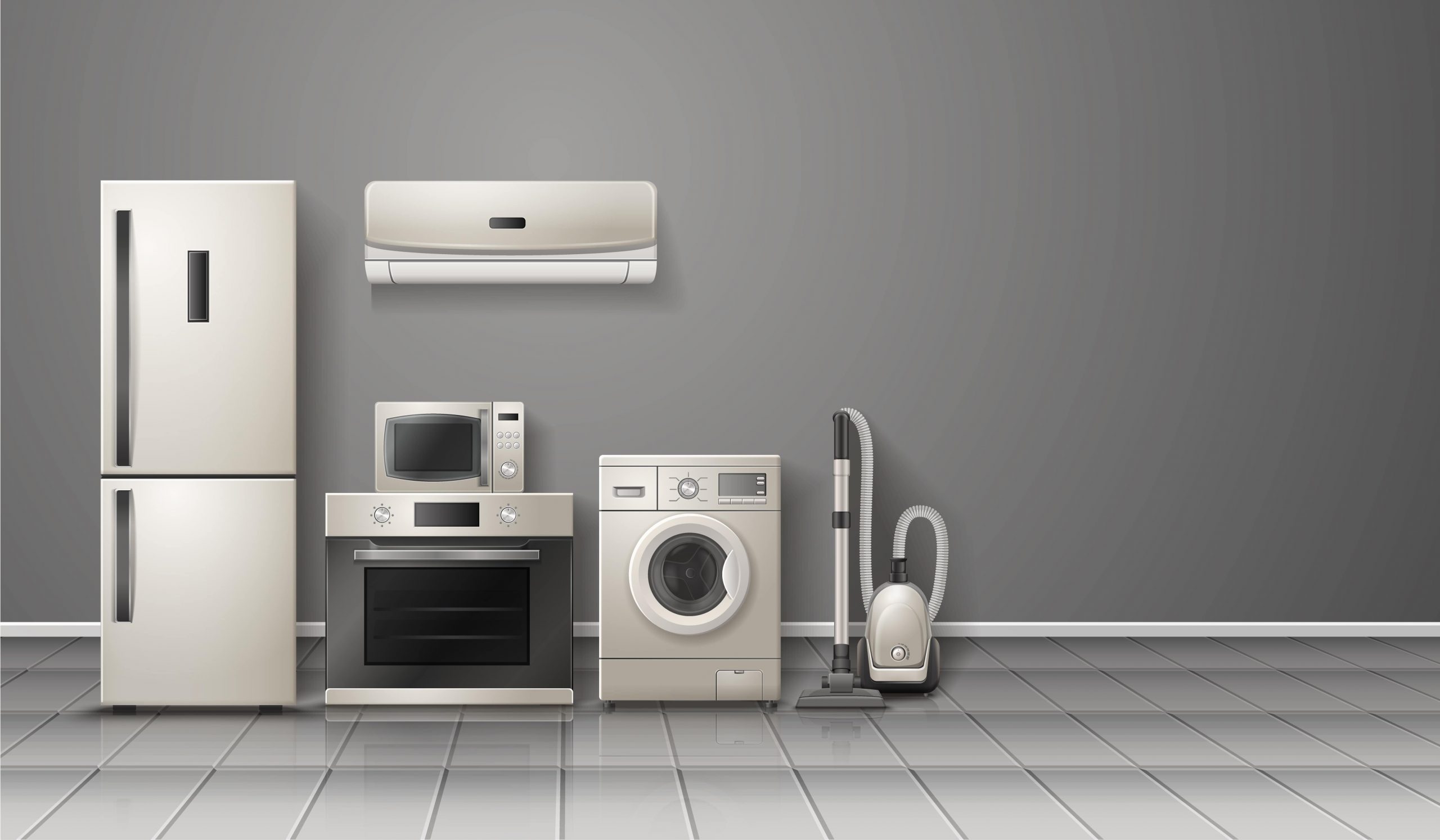
A new appliance can affect household expenses long after the purchase receipt is filed away. Refrigerators, dryers, dishwashers, cooking equipment, and other devices differ in size, energy use, maintenance needs, and expected lifespan. Better electric appliance choices help American families compare long-term value rather than focusing only on the lowest store price.
The most expensive model is not always the most efficient choice, and the most efficient model may not fit every household. Family size, daily routines, available space, local energy costs, and repair access all matter. Homeowners exploring practical ideas for smarter household decisions can use a written comparison before replacing major equipment.
Electric Appliance Choices Based on Household Needs
An appliance should match the way a household actually lives. Buying more capacity or features than needed may increase both purchase and operating costs.
Measure the Available Space
Record width, height, depth, doorway size, ventilation clearance, and connection locations before shopping. Include enough room for doors, drawers, hoses, and movement.
A refrigerator may fit the wall opening but block a nearby walkway when its doors are open. A washer may fit the laundry area but create problems during installation.
Measure twice and keep the information available while comparing products.
Choose Capacity Carefully
Large families may benefit from greater capacity, while smaller households may waste space and energy with oversized equipment.
Think about normal use rather than rare events. Buying a much larger appliance for occasional holiday needs may not provide good value throughout the year.
Readers following daily home and energy-saving guidance can compare how capacity affects cost, space, and normal household routines.
Compare Purchase Price With Operating Cost
The price displayed in a store represents only one part of ownership. Electricity, water, maintenance, supplies, and repairs may continue for many years.
Review Expected Energy Use
Compare similar models using available efficiency information. Estimate how often the appliance will operate and consider local electricity prices.
A small difference in annual energy use may become more noticeable during long ownership. However, families should avoid paying a large premium for savings unlikely to recover the added cost.
Include Maintenance and Supplies
Some appliances require filters, special cleaning products, replacement parts, or regular service. These expenses should be included in the comparison.
Ask how often common parts need replacement and whether they are easy to find. A lower purchase price can lose its advantage when maintenance is expensive.
Thoughtful discussions about household efficiency and long-term value often encourage buyers to compare total ownership rather than advertising claims.
Avoid Paying for Features That Add Little Value
Modern appliances may include connected controls, specialized cycles, touchscreens, cameras, automatic settings, and many other features. Some are useful, while others remain unused.
Identify Must-Have Features
Create a short list before entering a store. Separate required functions from optional conveniences.
For example, a family may need adjustable shelves and easy cleaning but have little use for remote controls. Another household may value scheduling features because of changing work hours.
A clear list prevents attractive displays from changing the budget unexpectedly.
Consider Simplicity and Repair
More features can add convenience, but they may also create additional parts requiring service. Ask how essential functions operate if one advanced feature fails.
Simple controls may be easier for children, older adults, guests, or anyone who prefers direct operation.
Avoid assuming that newer technology automatically creates better household performance.
Plan Installation and Long-Term Ownership
Delivery day can reveal expenses that were not included in the store price. Good planning prevents delays and surprise charges.
Confirm Installation Requirements
Ask whether the purchase includes delivery, removal of old equipment, connection parts, installation, testing, and cleanup.
Some homes need electrical upgrades, ventilation changes, plumbing work, or cabinet adjustments. Confirm these needs before finalizing the purchase.
Keep pathways clear and measure doors, stairs, elevators, and hallways.
Review Warranty and Service Access
Understand which repairs are covered, how long coverage lasts, and who provides local service. Save receipts, model information, serial numbers, and installation records.
Ask whether common replacement parts are widely available. An appliance may offer good efficiency but create inconvenience when qualified service is difficult to find.
Families can explore useful home improvement and appliance planning tips while building a replacement schedule for aging household equipment.
Conclusion
Efficient appliance buying requires more than selecting a familiar brand or accepting the largest discount. Size, capacity, operating cost, maintenance, useful features, installation, and repair access all affect long-term value.
The strongest electric appliance choices match real household habits without adding unnecessary cost or complexity. Measure the space, compare complete ownership expenses, and choose features the family will genuinely use. A thoughtful appliance purchase should continue making daily life easier years after the sales promotion has ended.
Frequently Asked Questions
Should an appliance be replaced before it stops working?
Replacement may make sense when repairs become frequent, performance declines, operating costs rise, or failure would create major household disruption.
Is the largest appliance usually the best choice?
No. Larger equipment may cost more to buy and operate. Capacity should match normal household use and available space.
How can families compare appliance energy costs?
Review available energy-use information, estimate normal operating frequency, and consider local electricity prices during the expected ownership period.
Are smart appliance features worth the extra cost?
Their value depends on household routines. Buyers should choose features they expect to use regularly rather than paying for novelty.
What measurements are needed before buying an appliance?
Measure the installation area, clearances, doorways, hallways, stairs, connection locations, and the space required for doors or drawers to open.
Should installation costs be included in the budget?
Yes. Delivery, removal, electrical work, plumbing, ventilation, connection parts, and cabinet changes can affect the final project cost.
How important is local repair service?
Service access can strongly affect convenience and ownership cost. Check warranty procedures and local repair availability before purchasing.
What records should appliance owners keep?
Save receipts, warranties, model numbers, serial numbers, installation documents, service records, and information about replacement parts.