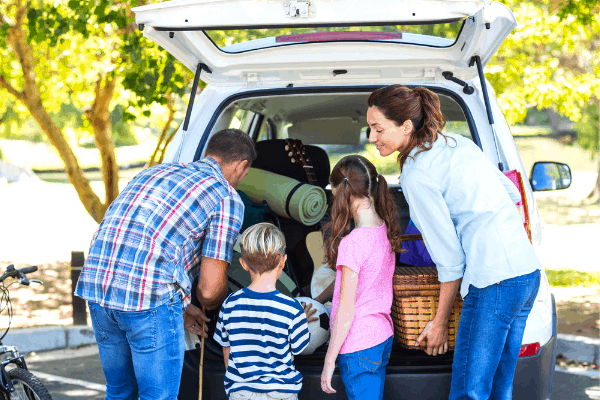
Family road trips can create memorable experiences, but they also require planning. Children may become bored, parents may become tired, and unexpected delays can affect the schedule.
The best travel hacks do not require expensive equipment. Simple organization, realistic driving times, and flexible expectations can make a major difference.
A successful road trip should feel like part of the vacation rather than a difficult journey between destinations.
Pack The Vehicle In Zones
Organized packing saves time during stops.
Families can divide the vehicle into clear areas.
Frequently used items should remain easy to reach.
Snacks, water, tissues, chargers, and entertainment should not be buried beneath luggage.
Overnight bags may remain near the rear door.
Emergency supplies should have a fixed location.
Parents should avoid filling every open space.
A crowded vehicle becomes uncomfortable.
Clear visibility and safe storage matter.
Create A Family Snack Box
Roadside food can become expensive.
A prepared snack box gives families more control.
Fruit, crackers, sandwiches, dry snacks, and reusable water bottles work well.
Parents should choose foods that create limited mess.
Individual containers may reduce arguments.
A small cooler can hold drinks and fresh items.
Families should still plan meal stops.
Eating only snacks may affect energy.
Simple preparation can reduce costs and unnecessary stops.
Use A Flexible Driving Schedule
Parents often plan more distance than children can comfortably handle.
Regular breaks improve the experience.
Families may stop every two or three hours.
Rest areas, parks, roadside attractions, and small towns provide useful opportunities.
Children can walk and use restrooms.
Drivers can stretch.
A flexible schedule also protects against traffic delays.
Families should avoid promising exact arrival times.
Travel conditions may change.
Leave Early When Possible
Morning departures can reduce traffic and provide more daylight.
Children may sleep during part of the drive.
Families should prepare bags the night before.
Fueling the vehicle before departure also saves time.
Breakfast can remain simple.
Parents should avoid rushing.
A calm start can influence the entire journey.
However, drivers should not leave before receiving enough sleep.
Safety remains more important than an early schedule.
Bring Separate Activity Bags
Each child can receive a small activity bag.
Books, drawing supplies, puzzles, games, and simple toys may provide entertainment.
Parents should choose age-appropriate items.
New activities can create interest.
Screen time may also be used with clear limits.
Headphones reduce noise.
Downloaded entertainment helps when mobile service becomes weak.
Parents should include breaks from screens.
Looking outside and discussing the journey can create shared memories.
Prepare For Health Needs
Family road trips expose travelers to changing weather, air conditioning, unfamiliar food, and long hours in the vehicle.
Parents should pack commonly used medicines and basic supplies.
A family preparing for possible throat discomfort can review a clear sore throat medicine resource before leaving.
Tissues, water, bandages, and personal care items should remain accessible.
Essential medicines should not be placed beneath heavy luggage.
Parents should also carry health information when needed.
Manage Recurring Personal Concerns
Travel may become uncomfortable when ongoing health concerns are ignored.
Families should prepare before departure.
A traveler experiencing repeated tonsil concerns may want to review tonsil stone treatment information before a long drive.
Personal supplies should be packed in sufficient amounts.
Parents should know where pharmacies or urgent care services are available along the route.
Preparation should remain simple.
The goal is reducing uncertainty.
Save Important Travel Information
Hotels, attractions, rental services, and travel accounts may require online access.
Families should check reservations before leaving home.
Anyone having difficulty opening a travel account may find help with common login problems useful.
Confirmation details should also be saved offline.
Screenshots provide quick access.
Printed copies create additional backup.
Hotel addresses should be entered into navigation before departure.
Families should avoid searching for important information while driving.
Check Regional Conditions
Road construction, weather, traffic, and local events may affect travel.
Families should review route conditions before leaving.
Those traveling near northern destinations may follow Ontario travel and regional news when planning routes close to Canada.
Current information can help families adjust schedules.
Drivers should also monitor official road alerts.
A backup route may be useful.
However, unfamiliar roads should be evaluated carefully.
Create A Simple Stop Plan
Families should identify several possible stops before departure.
Planning does not require a strict schedule.
Parents may note rest areas, parks, restaurants, fuel stations, and attractions.
Children can help choose one stop.
This creates excitement.
Parents should avoid stopping only when everyone becomes uncomfortable.
Regular breaks support a better mood.
Unexpected stops may still occur.
Flexibility remains useful.
Use Small Overnight Bags
Families staying in hotels during a longer road trip may not need to unload every suitcase.
One small overnight bag can contain clothing and personal items for each stop.
Large luggage may remain organized inside the vehicle when safe.
Parents should never leave valuables visible.
Hotel parking conditions should be considered.
A smaller bag makes check-in easier.
It also reduces repacking time.
Keep A Cleanup Kit
Food, drinks, mud, and travel activities can create mess.
A small cleanup kit may include wipes, paper towels, trash bags, and extra clothing.
Children may also need reusable containers.
Trash should be removed during fuel stops.
A clean vehicle feels more comfortable.
Parents should avoid allowing clutter to build for several days.
Simple maintenance takes only a few minutes.
Give Children A Route Overview
Children may become impatient when they do not understand the journey.
Parents can explain the route in simple terms.
Older children may follow a map.
Families can discuss states, cities, landscapes, and attractions.
Children may receive small travel journals.
Questions about the route create learning opportunities.
Parents should avoid focusing only on arrival.
The drive itself can become part of the experience.
Plan Affordable Entertainment
Road trips do not require expensive attractions every day.
Public parks, scenic overlooks, beaches, visitor centers, and historic areas may provide enjoyable stops.
Families can look for free community events.
Picnics reduce meal costs.
A balanced trip may include one major paid activity and several simple experiences.
Children often remember unusual roadside stops.
Parents should leave room for unexpected discoveries.
Reduce Travel Arguments
Long hours in a small space can create tension.
Parents should set simple expectations before leaving.
Children may take turns choosing music or activities.
Regular breaks help reduce frustration.
Adults should also communicate clearly.
Driving responsibilities can be shared when possible.
Parents should avoid overreacting to minor delays.
A calm approach supports a better atmosphere.
Not every moment will go as planned.
Protect Sleep During The Trip
Tired families enjoy fewer activities.
Parents should avoid scheduling late arrivals every night.
Hotels should provide suitable sleeping space.
Children may bring familiar pillows or comfort items.
Morning plans should remain realistic.
A vacation does not require waking before sunrise every day.
Rest supports better moods.
Drivers also need enough sleep.
Fatigue creates serious safety risks.
Build Extra Time Into The Return
The final drive should not become an exhausting rush.
Families should allow time for traffic and unexpected stops.
Returning earlier may provide time to unpack.
Children can prepare for school or routines.
Parents may organize laundry and food.
A calm return protects the positive feeling of the trip.
Road trips work best when families focus on shared experiences rather than perfect schedules.
By organizing the vehicle, preparing snacks, planning breaks, and remaining flexible, American families can reduce stress and enjoy the journey.
The smartest travel hack is simple: create enough structure to stay comfortable, then leave enough freedom for the road to surprise everyone.